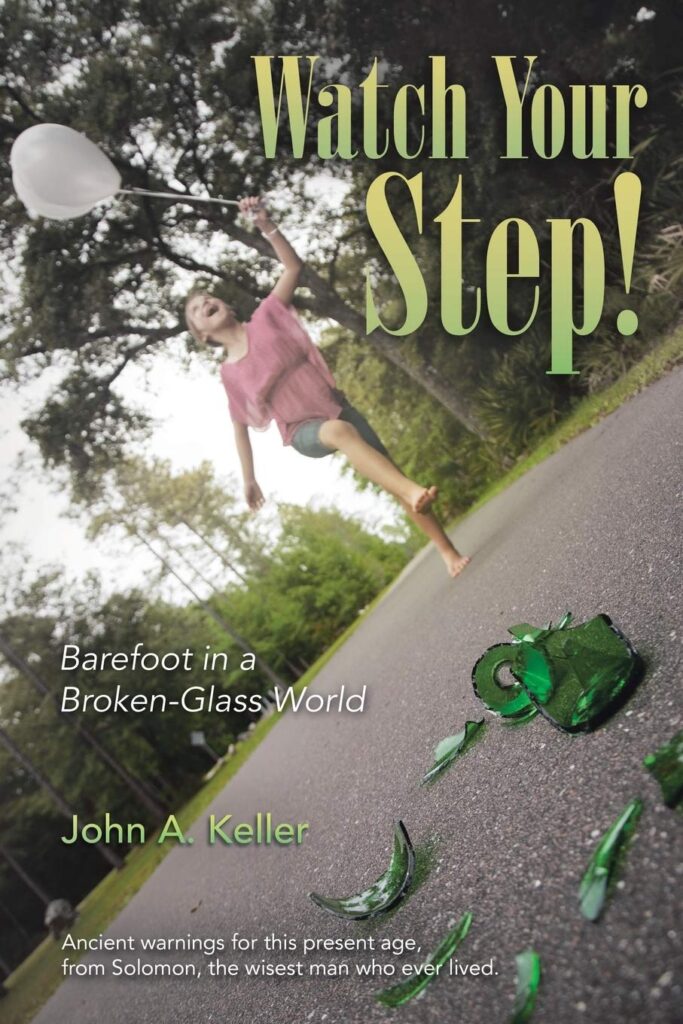

Biblical Literacy 101: Bible vs. Culture
- gentle warning
- advising against something
- scolding (reproving) in a mild way
Now, consider Colossians 3:16:
“Let the message of Christ dwell among you richly as you teach and admonish one another with all wisdom through psalms, hymns, and songs from the Spirit, singing to God with gratitude in your hearts.” (NIV)
Hymns vs. Contemporary Worship: Exegesis in Song — and the Danger of Departing from Sound Doctrine
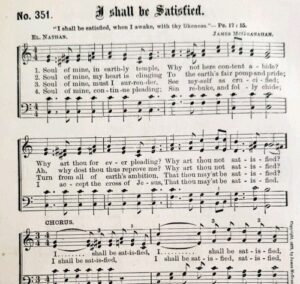
When you crack open a traditional hymnal, one of the striking features is this: many hymnals place a Bible verse (or multiple verses) at the top of the hymn text. That isn’t merely decorative. Implicitly (and often explicitly), the hymn is positioning itself as an exposition or meditation on that biblical text. In other words, the hymn seeks to draw out what Scripture already says — to interpret, amplify, apply, confess, worship, and teach.
In contrast, much of what passes for modern contemporary Christian music tends toward an eisegetical approach: reading into Scripture (or Christian experience) what the author desires, rather than letting the text itself shape the song. The difference is subtle in many cases, but it has real theological consequences — especially in light of Scripture’s warnings that in the last days people will no longer “tolerate sound doctrine.”
 Hymns as Exegesis: Anchoring Lyrics to Scripture
One of the beautiful practices of traditional hymnody is the way hymnals routinely include a Bible reference at the head of the hymn. That reference invites the singer to see the hymn not as some independent spiritual poem, but as a theological reflection built upon God’s Word.
In many cases, the hymn writer is consciously engaging in exegesis: interpreting a biblical text, unwrapping its truths, applying it to life, embedding doctrine, and offering praise. Hymn writers like Isaac Watts, Charles Wesley, Fanny Crosby, Augustus Toplady, and many others were deeply rooted in Scripture and theology. Hymns historically served an educative role: believers would sing doctrine, confess theology, internalize biblical truth, and mutually teach one another through song (cf. Colossians 3:16).
Because hymns often begin with the Scripture reference, the words that follow are anchored to that text, constrained by it, shaped by its context. The hymn writer works to “speak the things which become sound doctrine” (Titus 2:1), weaving biblical themes—sin, grace, redemption, Christ’s person and work, sanctification—into stanzas of worship.
Moreover, this practice fosters accountability: if the hymn claims to reflect Psalm 23, then one may evaluate whether the hymn is faithful to the Psalm’s themes. The Scripture reference invites the worshipper to return to the Word.
Modern Worship Music: The Danger of Eisegesis
By contrast, many modern worship songs do not carry explicit Scripture citations. Their lyrics are often more impressionistic, emotive, personal, or experience‑centered. They are not always uninterested in Scripture, but they sometimes import theological ideas with less rigorous connection to the biblical text.
When songwriters begin with a theme (e.g. “God loves me,” “I want more of You,” “breakthrough,” “freedom”) and then find verses to support it (or rearrange verses to fit), the direction is reversed: rather than letting the text speak, the author is making the text serve the pre‑formed theme. That is a risk of eisegesis—“reading into” rather than “drawing out.”
Critics of modern worship often argue that many contemporary songs:
- Lean heavily on subjective experience and emotional language rather than objective doctrinal truth.
- Use vague language (e.g. “You are here,” “all I want is You,” “I feel You moving in my heart”) in place of concrete biblical assertions.
- Emphasize personal response more than the finished work of Christ, or internal feeling more than external truth.
- Avoid difficult doctrines (sin, judgment, substitutionary atonement) in favor of comfort, blessing, or presence.
One commentator put it this way:
“If the lyrics aren’t drawn from the Word, they’re drawn from man. And man is fallible, emotional, and prone to error … Hymns that have lasted generations … lasted because of the truth within them … Are our songs leading people to Christ or just to a feeling?”
That critique doesn’t mean every modern worship song is unfaithful. Some contemporary hymnwriters (e.g. Keith & Kristyn Getty, Stuart Townend) succeed in marrying scriptural depth with accessible forms. But the trend in many circles leans toward giving preference to emotion, relevance, and experience over doctrinal depth.
“In the Last Days”: The Scriptural Warning Against Departing from Sound Doctrine
This discussion about music is not merely aesthetic. It has serious spiritual stakes. The Apostle Paul warns Timothy:
“For the time will come when they will not endure sound doctrine; but according to their own desires, because they have itching ears, they will heap up for themselves teachers; and will turn their ears away from the truth, and be turned aside to fables.”
— 2 Timothy 4:3‑4 (NKJV)
In other words, a generation will arise that rejects doctrinal teaching because it doesn’t align with what feels comfortable or what appeals emotionally. John’s epistles warn similarly about those who “go out from us, but were not of us; for if they had been of us, they would have continued with us; but they went out, that they might be made manifest, that none of them were of us” (1 John 2:19).
In our context, if worship music reinforces shallow theology or emotionalism rather than deep doctrine, then the church might be aiding — rather than resisting — the drift away from sound teaching. The songs we sing matter because believers often remember songs more easily than sermon points.
Putting It Together: A Call to Renewed Song Discipline
If one accepts that:
- Hymns (with biblical references) tend to foster exegesis and doctrinal integrity,
- Many modern worship songs lean toward eisegesis and emotionalism,
Scripture warns that in the last days, many will refuse sound doctrine; then one ought to advocate for greater discernment and reform in congregational song selection.
Practical suggestions:
- Reinstate Scripture references in worship sets, or at least publicize the passages that inspired the songs.
- Encourage contemporary hymnody: commission or select modern songs that are deeply rooted in Scripture, not shallow sentiment.
- Teach the congregation by occasionally explaining the biblical text behind a hymn or worship song, making explicit how the lyrics derive from the text.
- Be wary of cultural pressure: resist the impulse to sing only what is “popular” or “emotionally compelling” while sacrificing depth.
Suggested Bible Verses
- 2 Timothy 4:3‑4 — the warning against refusing sound doctrine.
- Titus 2:1 — “speak the things which become sound doctrine.”
- Colossians 3:16 — “Let the word of Christ dwell in you richly … teaching and admonishing one another in psalms and hymns and spiritual songs.”
- 1 Peter 4:11 — “If anyone speaks, let him speak … as the oracles of God.”
- Jude 3 — “contend earnestly for the faith which was once for all delivered to the saints.”
- 2 Timothy 3:16–17 — “All Scripture is … profitable for doctrine, for reproof, for correction, for instruction in righteousness.”